
Introduction to Small Space and light weight furniture
Small space living presents a unique set of challenges and advantages, particularly in urban environments where apartments and studios have become increasingly prevalent. As cities grow and populations swell, many individuals are opting for smaller homes, which often require innovative solutions to optimize every inch. The rise of high-floor residences and compact vacation homes has further accentuated the need for efficient use of space, prompting a shift in lifestyle and the furniture market.
Living in a confined area necessitates smart planning and strategic thinking when it comes to design. With limited square footage, residents must carefully consider their furniture choices to ensure that they are both functional and aesthetically pleasing. Lightweight furniture has emerged as a popular solution, providing versatile options that can serve multiple purposes without overwhelming the limited space available. This adaptability not only enhances the visual appeal but also allows homeowners to maintain an uncluttered and organized environment.
In conclusion, understanding the dynamics of small space living is crucial for anyone seeking to make the most of their environment. By selecting the right furniture and adopting a mindful approach to organization and design, inhabitants can create a harmonious living space that meets both functional requirements and personal style. As urban living continues to evolve, the importance of maximizing small spaces through thoughtful furniture choices cannot be overstated.


Benefits of Lightweight Furniture
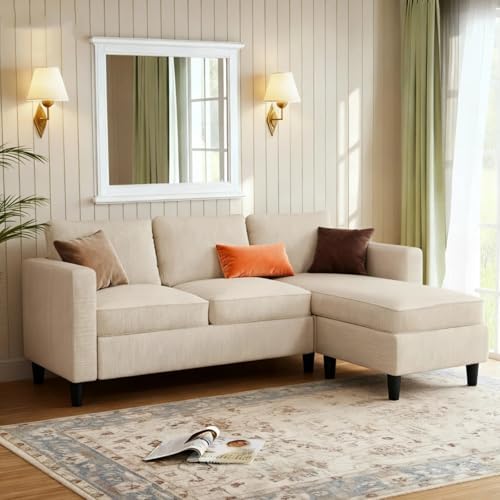
Lightweight furniture offers several advantages, particularly in small living spaces where mobility and functionality are paramount. One of the most significant benefits is ease of movement. Unlike heavier conventional furniture, lightweight options can be effortlessly rearranged, allowing individuals to adapt their environment quickly. This ease of relocation is especially beneficial for those who enjoy changing their room layout frequently or require the flexibility to accommodate different activities.
Another advantage of lightweight furniture is its accessibility for cleaning. Maintaining cleanliness in a small living space can be challenging, and bulky furniture often complicates this task. Lightweight pieces can be moved easily, enabling users to clean beneath, around, and behind furniture without difficulty. This convenience not only promotes better hygiene but also simplifies the maintenance of an organized living area.
Additionally, lightweight furniture can significantly enhance the overall ambiance of a compact space. By promoting a sense of openness and comfort, these pieces can create an inviting atmosphere. Lighter materials and designs often reflect light more effectively, contributing to an airy feel. Consequently, individuals can enjoy a well-styled environment that feels larger than it is, ultimately improving their living experience in small settings.



Key Features to Look for in Lightweight Furniture
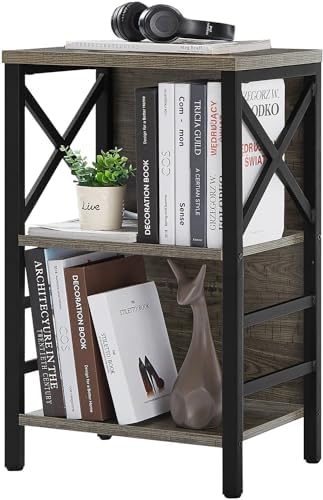
When selecting lightweight furniture for compact living spaces, it is essential to consider several key features that distinguish it from traditional, heavier options. The choice of materials plays a critical role, as lightweight furniture often employs substances such as aluminum, plywood, or versatile fabrics that combine aesthetics with functionality. Aluminum, for instance, is recognized for its sturdiness without adding excessive weight, making it an ideal material for furniture that needs to be easily moved or rearranged.
Another important aspect to evaluate is the size of the furniture pieces. Lightweight designs tend to have a more streamlined appearance, which helps maximize the available space without overwhelming it. Furniture that is thoughtfully designed with smaller dimensions can provide sufficient functionality while maintaining a balance between comfort and style. For instance, slim-profile chairs and tables can fit seamlessly into tight spaces, allowing for more efficient use of the area.
In addition to materials and size, design options are a key component of lightweight furniture. Many modern pieces utilize innovative designs that incorporate a minimalist aesthetic while still offering durability. Ergonomics, foldability, and stackability are features that enhance the practicality of lightweight options, making them exceptionally useful in small, bustling environments. Even though lightweight furniture is often associated with portability, it is crucial to ensure its durability. Look for products that boast quality craftsmanship and robust construction, as these elements not only contribute to the furniture’s life span but also maintain its appearance and functionality under regular use.
By thoughtfully considering these factors, you can select lightweight furniture that not only suits your space but also stands the test of time, elevating your compact living experience.


Functional Furniture Ideas for Small Spaces
Living in a small space, such as an apartment or studio, necessitates innovative furniture solutions to maximize functionality and style. Consider incorporating foldable tables into your decor. These versatile pieces can be extended when hosting guests, then neatly collapsed and stored away when not in use, allowing for flexibility in a limited area. They come in various designs, accommodating different aesthetics while ensuring that space efficiency is maintained.
Another space-saving option is stacking chairs. These lightweight chairs can be readily pulled out when needed and effortlessly stacked away afterward. With various styles available, they can complement any interior design and serve as practical seating solutions for small dining areas or workspaces. When guests arrive or more seating is required, simply unstack the chairs, effectively utilizing vertical space.
Murphy beds are an exemplary solution for maximizing floor space in small homes. These beds fold up into the wall when not in use, creating additional room for daytime activities. Modern designs often come with integrated shelving or desks, enhancing functionality while keeping the room stylish and uncluttered. This feature is particularly valuable in multifunctional spaces where every square foot counts.
Modular sofas are another excellent investment for small settings, allowing you to adjust or reconfigure seating arrangements based on the occasion or your current needs. These sofas can be moved apart or arranged into different shapes, supporting various activities such as lounging or entertaining guests. Furthermore, many modular designs incorporate storage solutions, providing discreet homes for items that might otherwise contribute to clutter. By selecting the right combination of functional furniture pieces, small spaces can be transformed into stylish and efficient living environments.


Incorporating Multi-Functional Pieces
In small living spaces, the selection of furniture plays a crucial role in maximizing functionality without compromising style. Incorporating multi-functional pieces is an effective strategy to enhance both the usability and aesthetics of your space. These innovative items serve more than one purpose, allowing individuals to create a versatile and dynamic environment. Multifunctional furniture not only optimizes available space but also eliminates clutter, which is vital in compact areas.
One prime example of multi-functional furniture is the ottoman with storage capabilities. Typically used as a footrest or additional seating, these ottomans often come equipped with hidden compartments that can store blankets, magazines, or other household items. By utilizing an ottoman with storage, residents can maintain an organized and tidy atmosphere, making it ideal for small rooms such as living areas or bedrooms.
Another excellent choice is a coffee table that converts into a dining table. This piece allows for seamless transitions between relaxing with a cup of coffee and hosting a meal with friends or family. Such furniture is designed thoughtfully to ensure stability and ease of use, providing a practical solution for homes where space is at a premium. The adaptability of such tables supports a modern lifestyle that requires flexibility and functionality.
Additionally, wall-mounted desks have emerged as a popular choice for small workspaces. These desks can be folded down when in use and tucked away when not needed, offering a dedicated area for work without consuming floor space. This design not only maximizes efficiency but also provides opportunities for displaying decorative items when the desk is not in use.
Incorporating multi-functional pieces requires creativity and foresight, enabling one to address various needs within limited areas effectively. By thoughtfully selecting versatile furniture, residents can enhance their living environment, making the most of their small space while still ensuring comfort and style.


Tips for Arranging Lightweight Furniture in Small Spaces
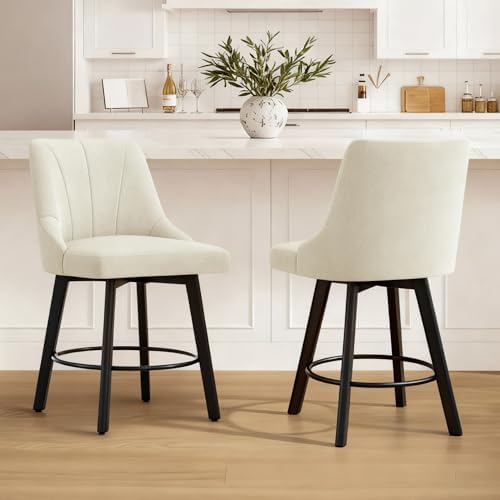
Arranging lightweight furniture effectively in small spaces requires a thoughtful approach that maximizes both functionality and aesthetics. One key strategy is to float furniture away from the walls. This technique not only creates the illusion of a larger area but also allows for better traffic flow, making the room feel less cramped. For instance, positioning a sofa or a coffee table slightly away from the wall can open up sight lines, which enhances the overall depth of the room.
Moreover, it is beneficial to define zones within an open space, especially in multifunctional areas. Use lightweight chairs or portable tables to create separate areas for various activities, such as reading, working, or socializing. This division helps ensure that each zone serves its purpose without overwhelming the area with heavy or bulky items. Remember that versatile pieces can seamlessly transition between these defined areas, offering flexibility and adaptability as needs change.
Utilizing vertical space is another critical element in small space design. Consider wall-mounted shelves or tall, slim bookshelves that draw the eye upward, which can effectively create the impression of height while keeping the floor area free. These vertical furnishings can provide storage without compromising the walking space, and they may also serve as decorative platforms for books, plants, or other accessories that add personality to the room.
When arranging lightweight furniture, ensure that there is adequate space between pieces to maintain an inviting atmosphere. Allowing for clear pathways not only enhances movement but also fosters a more cohesive look. By implementing these practical tips, individuals can create a harmonious and functional environment, transforming their small spaces into comfortable and stylish living areas.


Decorating Tips to Complement Lightweight Furniture
When optimizing small spaces with lightweight furniture, careful consideration of decorating elements is essential. One of the most effective ways to enhance the aesthetic appeal of a compact area is through the use of cohesive color schemes. Light and neutral tones, such as whites, pastels, and soft grays, can create an illusion of more space, while incorporating accent colors through decor items can add personality without overwhelming the room. For instance, a few throw pillows in bold colors can work wonderfully with basic furniture and can be easily replaced for a fresh look.
Moreover, embracing minimalist design principles is crucial in small spaces. Selecting multifunctional lightweight furniture, such as a coffee table that doubles as storage, allows for a practical approach to decor. Limiting the number of decorative items will also help maintain an organized, uncluttered environment. This minimalist mindset should extend to decorative accents — choose a few statement pieces rather than scattering many smaller items throughout the room.
Textiles play a significant role in enhancing comfort and warmth in small areas, especially when paired with lightweight furniture. Consider incorporating soft rugs, comfortable throws, and textured cushions to create a cozy atmosphere. These elements can invite relaxation while also serving as visual breaks between furniture pieces. Furthermore, the strategic use of wall art and mirrors can offer depth and character. Mirrors, in particular, can make a space feel larger and help reflect light, maximizing the airy feel of lightweight furniture.
Lastly, integrating plants into small spaces can foster a sense of life and vibrancy. Choose compact, low-maintenance plants that can thrive in limited light, enhancing the overall decor without adding bulk. This balanced approach of color, minimalism, textiles, and nature will help transform small spaces into dynamic and inviting living areas that complement lightweight furniture seamlessly.



Conclusion: Embracing Minimalism in Small Living
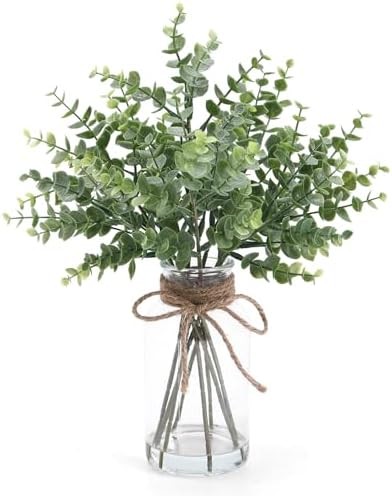
In an era where space is at a premium, choosing the right lightweight furniture becomes a pivotal element in maximizing the functionality and aesthetic appeal of small living areas. Lightweight furniture is not just about ease of mobility; it is about creating an environment that fosters simplicity and encourages mindful living. By selecting pieces that embody the principles of minimalism, one can cultivate spaces that are not only efficient but also free from the clutter that often accompanies larger, heavier furnishings.
Minimalism, as a design philosophy, promotes the idea that less can indeed be more. By investing in well-designed, lightweight furniture, individuals can ensure that their small spaces do not feel cramped or overwhelmed. Instead, these areas can serve as serene retreats that reflect personal style and preference while facilitating everyday activities. For instance, versatile items like collapsible tables and multi-functional chairs can be rearranged with ease, accommodating a variety of needs without sacrificing comfort or elegance.
Moreover, the integration of lightweight furniture contributes significantly to the overall ambiance of a small living space. It allows for greater flexibility in design choices, making it possible to experiment with different layouts and aesthetics without the burden of heavy, cumbersome items. By embracing a minimalist approach, individuals can curate an inviting atmosphere that promotes relaxation and creativity.
Ultimately, selecting lightweight furniture is a crucial step towards achieving a harmonious balance in small living environments. By prioritizing functionality and simplicity, one can transform limited areas into stylish, efficient spaces that enhance both daily living and overall satisfaction. Embrace the minimalist lifestyle, and discover how small adjustments can lead to meaningful improvements in your living experience.